
☠️ Survival Science & Mind-Bending Wilderness Tricks: A Verified Fact Worth Knowing
August 28, 2026 — ny_wk
The Breath That Saves Lives: Winter Survival Secrets Hidden in Plain Sight
What if the key to surviving a freezing wilderness emergency was literally at the tip of your lungs? Every time you exhale in sub-zero conditions, you're creating a miniature weather system that survival experts have harnessed to save lives. This isn't Hollywood magic—it's physics, and it's been keeping people alive in the harshest conditions on Earth for decades.
The plastic bag trick is just the beginning. Your breath becomes a tool for both water collection and fire starting, while your body heat—properly managed—can keep you alive longer than most people ever imagine possible. These aren't theoretical concepts tested in laboratories; they're battle-tested techniques that have pulled real people back from the edge of hypothermia and despair.
From Arctic Exploration to Modern Survival Training
The origins of breath-based survival techniques trace back to the early 20th century, when polar explorers and indigenous Arctic communities began documenting their methods for staying alive in extreme cold. Norwegian explorer Fridtjof Nansen, who famously crossed Greenland on skis in 1888, recorded detailed observations about using breath condensation to create ice formations that could be melted for water—a technique later adopted by military survival schools.
During World War II, both Allied and Axis forces developed comprehensive cold-weather survival manuals that included breath-based water collection methods. The U.S. military's "Survival, Evasion, Resistance, and Escape" (SERE) training program, established in the 1940s, incorporated these techniques alongside traditional shelter-building and signaling methods. Indigenous peoples of the Arctic, including the Inuit and various Siberian cultures, had been using similar principles for thousands of years, passing down knowledge about maximizing body heat and utilizing breath moisture for survival.
Modern survival instructor Cody Lundin popularized many of these techniques in the 1990s and 2000s through his books and television appearances, bringing ancient wisdom to contemporary audiences. Today, these methods are standard curriculum in wilderness survival courses worldwide, taught alongside more familiar techniques like fire-by-friction and shelter construction.
The Science Behind Breath-Powered Survival
When you exhale in freezing temperatures, your breath contains water vapor at 100% humidity and body temperature (98.6°F). As this warm, moist air encounters the frigid outside air, rapid heat transfer occurs, causing the water vapor to condense into tiny droplets—a process called adiabatic cooling. This creates the visible mist you see on cold mornings, but more importantly, it concentrates moisture that can be captured and utilized.
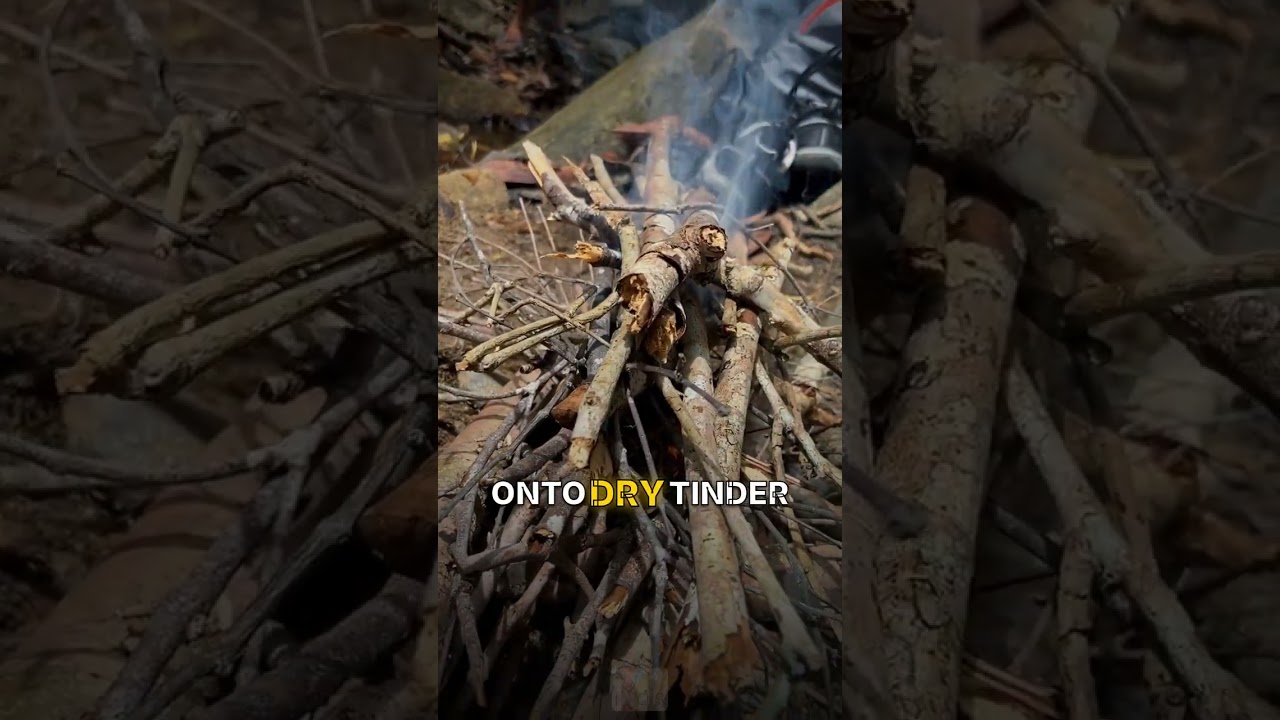
The plastic bag technique works because when you breathe into a sealed bag, the interior warms slightly while the exterior remains cold, creating ideal conditions for condensation. Over time, droplets form on the bag's interior walls, collecting into usable water. For fire starting, the key lies in understanding that repeated exposure to warm breath gradually raises the temperature of dry tinder materials. While no single breath will ignite tinder, dozens of focused breaths can raise kindling temperature by several degrees, eventually reaching the kindling point of 451°F (the autoignition temperature of paper).
Your body heat retention strategy relies on the principle of thermal equilibrium. A properly constructed survival shelter using natural insulation materials can trap enough of your body heat (which produces approximately 100 watts of thermal energy) to maintain survivable temperatures. The critical factor is minimizing heat loss through conduction, convection, and radiation while maximizing the shelter's ability to retain what little warmth your body generates. This means understanding that survival isn't about generating massive amounts of heat—it's about preserving the modest amount your body naturally produces.
- Water Collection: Breath condensation in plastic bags or fabric can yield up to 1/2 cup of drinkable water per hour under optimal conditions
- Fire Starting: Sustained breath application can raise tinder temperatures by 10-15°F per minute of focused blowing
- Heat Retention: Proper shelter construction can reduce body heat loss by up to 80% compared to exposed conditions
Life-Saving Applications in the Modern World
These techniques have proven invaluable in numerous real-world rescue scenarios. Mountain climbers stranded by sudden weather changes, hikers caught in unexpected winter storms, and even astronauts training for space emergencies have all benefited from breath-based survival methods. The technique's simplicity makes it particularly valuable because it requires no specialized equipment—just the resources available in any survival situation.
Modern outdoor gear manufacturers have incorporated these principles into their designs, creating emergency bivvy sacks and space blankets specifically engineered to maximize breath condensation and body heat retention. Search and rescue teams regularly train with these methods because they're reliable, lightweight, and don't depend on technology that might fail in extreme conditions.
🌟 Find This Content On Our Social Media
🎬 Love This? Watch More on YouTube!
Join FactsAndStoriesTube - where we bring you mind-blowing facts, untold stories, and educational content that expands your world every single day!
✨ New facts daily | 🎥 HD videos | 🔔 Never miss an upload