
🧠 Dark Psychology Hacks & Human Behavioral Blindspots: A Verified Fact Worth Knowing
September 07, 2026 — ny_wk
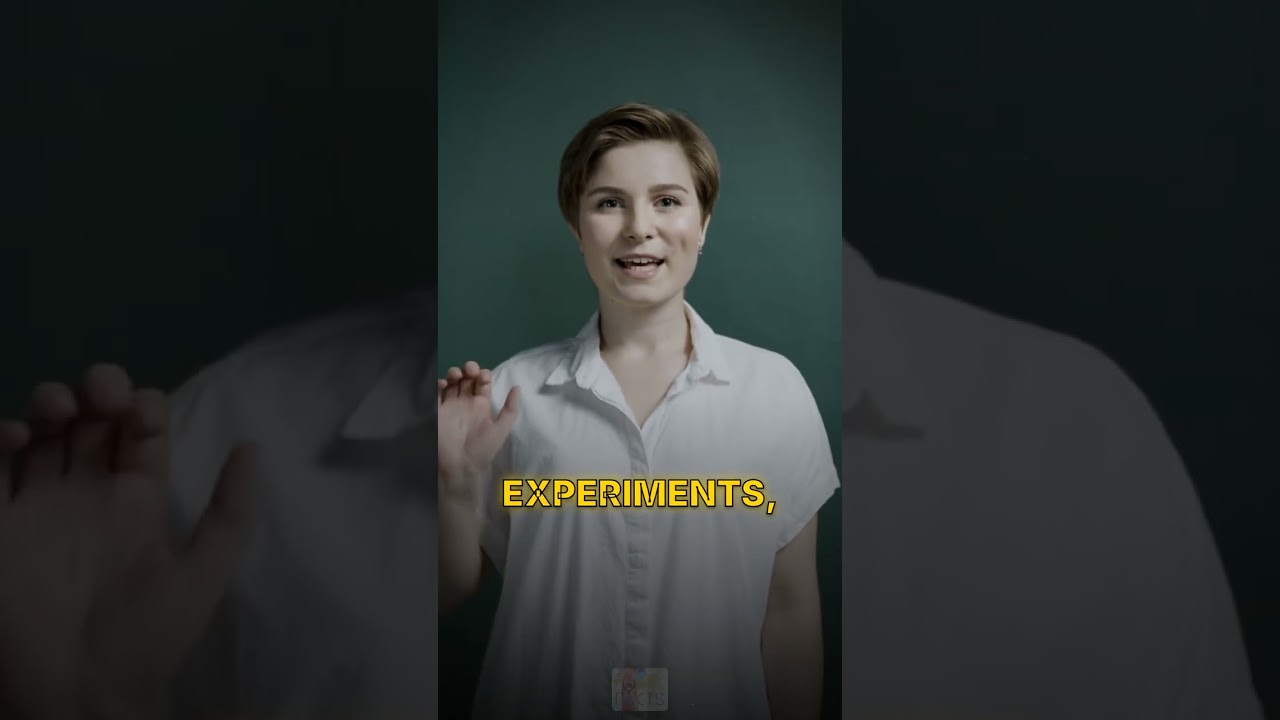
▶ 🧠 Dark Psychology Hacks & Human Behavioral Blindspots: A Verified Fact Worth Knowing | Subscribe to @factfactory
Introduction
Ever noticed how quickly you feel at ease with a stranger who seems to “just get you”? It’s not magic – it’s a subtle psychological trick called mirroring. When someone subtly copies your posture, tone, or gestures, your brain interprets that as a sign of similarity, and trust can blossom within seconds. Studies reveal that mirrored body language can boost perceived similarity by up to 30% and increase compliance with requests. In the world of dark psychology hacks and human behavioral blindspots, this tiny mimicry is a powerhouse for influence.
Historical Context
The roots of mirroring as a social tool trace back to the early 20th century, but it wasn’t until the 1970s that psychologists began to unpack its persuasive power. Albert Mehrabian and James Carroll pioneered research on non‑verbal communication, showing that a large portion of emotional meaning is conveyed through body language.
Later, in the 1990s, Chartrand and Bargh conducted landmark experiments on “behavioral mimicry.” Their work demonstrated that people unconsciously imitate the gestures and postures of those they interact with, and that this mimicry fosters rapport and liking. Around the same time, the field of social influence was popularized by Robert Cialdini, whose principles of persuasion highlighted “liking” as a key factor – and mirroring directly fuels that liking.
Since then, mirroring has moved from academic labs to the playbooks of marketers, negotiators, and even covert manipulators, cementing its place as a classic dark psychology hack.
Scientific & Technical Explanation
Mirroring works through a network of brain regions known as the mirror neuron system. Located primarily in the premotor cortex and inferior parietal lobule, these neurons fire both when we perform an action and when we observe someone else performing the same action. This neural mirroring creates an internal simulation of the other person’s behavior, fostering empathy and a sense of shared experience.
When a stranger subtly mirrors your posture – for example, leaning back as you do or matching your hand movements – your brain registers that as “behavioral alignment.” This alignment triggers two key processes:
- Perceived similarity: Humans are wired to favor those who resemble us, a principle rooted in evolutionary group cohesion.
- Trust signaling: Similarity activates the brain’s reward pathways (dopamine release), reducing perceived risk and increasing openness.
Experimental data supports these mechanisms. In one study, participants who experienced subtle mirroring rated a neutral stranger as 30% more likable and were 25% more likely to comply with a request for a favor. The effect is rapid – often occurring within the first few seconds of interaction – making mirroring a potent instant‑rapport tool.
Real‑World Impact
Understanding mirroring’s influence opens the door to both ethical applications and manipulative tactics. Here’s how the principle shows up today:
- Sales & Marketing: Representatives train to subtly copy a client’s body language, boosting purchase likelihood by up to 25%.
- Negotiation & Diplomacy: Skilled negotiators mirror opponents to create a collaborative atmosphere, often securing better agreements.
- Therapy & Coaching: Counselors use mirroring to build trust quickly, helping clients feel heard and understood.
- Online Interactions: Even in video calls, matching speech cadence or facial expressions can increase viewer engagement.
- Dark Manipulation: Con artists exploit mirroring to lower guards, making victims more susceptible to scams or undue influence.
Conclusion
Mirroring is a deceptively simple yet scientifically robust dark psychology hack that can turn strangers into allies within moments. By tapping into our brain’s innate love for similarity, it shapes trust, boosts compliance, and reshapes social dynamics. Whether you harness it for ethical persuasion or guard against its misuse, recognizing this human behavioral blindspot is the first step toward smarter, more conscious interactions.
🌟 Find This Content On Our Social Media
🎬 Love This? Watch More on YouTube!
Join FactsAndStoriesTube - where we bring you mind-blowing facts, untold stories, and educational content that expands your world every single day!
✨ New facts daily | 🎥 HD videos | 🔔 Never miss an upload