
Your Body's Invisible Army: How Your Immune System 'Learns' and Fights Unseen Wars
July 19, 2026 — ny_wk
▶ Your Body's Invisible Army: How Your Immune System 'Learns' and Fights Unseen Wars | Subscribe to @factfactory
Disclosure: some links above are affiliate links — if you buy through them I may earn a small commission at no extra cost to you. Thanks for supporting the channel!
Every single day, without you ever knowing it, your body fights an untold number of skirmishes and full-blown battles. It’s an invisible war, constantly waged by an astonishingly sophisticated defense force – your immune system. Uncovering the profound immune system secrets reveals a remarkable truth: this isn't just a simple shield; it’s a living, learning, remembering entity, capable of adaptive intelligence that would make any AI engineer blush.
The Body's First Responders: When "Learn First, Fight Later" Isn't an Option
Here’s a startling truth: long before your immune system can get smart, it has to get *fast*. Imagine an intruder bursts into your home. You don't pause to analyze their genetic makeup; you react immediately. That's your innate immune system.
This is the ancient, primordial arm of our defenses, shared across much of the animal kingdom. It doesn't learn, per se, but it's incredibly effective at recognizing common red flags of invasion. Think of it as your body’s blunt instrument, but a highly effective one. Cells like macrophages (literally "big eaters") and neutrophils rush to the scene of infection or injury, engulfing pathogens and sending out chemical alarms called cytokines. Natural Killer (NK) cells, another innate warrior, patrol for cells that have been infected by viruses or turned cancerous, destroying them on sight without needing specific recognition.
How do they know what to attack? They look for common molecular patterns – things like the unique sugars on a bacterial cell wall (lipopolysaccharide, LPS) or the double-stranded RNA found in many viruses. These are called Pathogen-Associated Molecular Patterns (PAMPs). Our innate immune cells have receptors, like Toll-like Receptors (TLRs), that specifically bind to these PAMPs. It's like a universal "bad guy" detector built into their very being.
Why this matters:
The innate immune system is our first, crucial line of defense. It's the immediate response that buys precious time for the more specialized, learning arm of the immune system to kick into gear. Without it, even a common cold could be catastrophic. It’s the constant surveillance system, ready to sound the alarm and start clearing the mess.

The Adaptive Genius: How Your Body Custom-Designs Billions of Weapons
Now, here’s where the true genius, the deep immune system secrets, really come into play. Your adaptive immune system doesn't just recognize general threats; it can craft a *perfectly specific weapon* for virtually any invader it encounters – even ones that have never existed before. This is the heart of its 'learning' ability.
The star players here are your lymphocytes: B cells and T cells. What makes them so extraordinary? Each B cell and T cell is born with a unique receptor on its surface. For B cells, it's an antibody molecule; for T cells, it's a T cell receptor. And here's the mind-blowing part: these receptors are generated through a process called V(D)J recombination. It's a genetic shuffling mechanism that can create an estimated 1015 (that's a 1 followed by 15 zeros!) different unique receptors. Yes, your body can spontaneously generate more unique pathogen detectors than there are stars in our galaxy.
When a B cell's receptor encounters its specific target (an antigen, often a protein fragment from a pathogen), and with help from T cells, it gets activated. It then starts multiplying rapidly, creating an army of identical clones, all producing vast quantities of antibodies. These antibodies are like precision-guided missiles, designed to neutralize that specific antigen.
T cells work a bit differently. They don't recognize free-floating antigens. Instead, other cells (Antigen-Presenting Cells, APCs, like macrophages or dendritic cells) "chew up" pathogens and display tiny fragments of them on their surface using special molecules called Major Histocompatibility Complex (MHC) proteins. Think of MHC proteins as tiny serving platters. Helper T cells (CD4+) recognize these antigens on MHC Class II molecules and orchestrate the immune response, while Cytotoxic T cells (CD8+) recognize antigens on MHC Class I molecules and kill infected or cancerous cells directly.
Why this matters:
This adaptive ability is what gives you lasting immunity. It's incredibly precise, meaning it targets only the invader and largely spares your own tissues. Without it, you’d be constantly vulnerable to reinfection by the same pathogen, and we wouldn't have the incredible power of vaccines.
The Library of Life: Your Immune System's Unforgettable Memory
Here’s another incredible facet of our immune system secrets: it doesn't just learn how to fight; it remembers. It keeps a meticulous "mugshot" archive of every pathogen it has ever successfully battled, sometimes for your entire lifetime. This is the phenomenon of immune memory.
After an initial infection or vaccination, most of the activated B and T cells that fought the battle eventually die off. But a small population of specialized cells, called memory B cells and memory T cells, persist. These cells are different from their "naïve" counterparts. They are essentially pre-primed, highly sensitive sentinels, ready to react much faster and more forcefully if they ever encounter the same pathogen again.
Imagine your body encounters the measles virus for the first time. The primary immune response takes days or even weeks to fully ramp up. You get sick, your adaptive immune system learns, and you recover. During this process, memory cells are generated. Years later, if you're exposed to measles again, those memory cells are instantly mobilized. They proliferate rapidly, churning out antibodies and T cells at a much higher quantity and quality. This secondary immune response is so swift and potent that you often don't even experience symptoms – you're effectively immune.
This immune memory is the fundamental principle behind vaccination. A vaccine introduces a harmless version or component of a pathogen, tricking your immune system into mounting a primary response and generating memory cells, all without causing the actual disease. When you later encounter the real pathogen, your memory cells are ready, protecting you from serious illness.
Why this matters:
Immune memory is the bedrock of lifelong protection against many diseases. It's why you usually only get chickenpox once, and it's the ingenious mechanism that has allowed humanity to virtually eradicate scourges like smallpox through vaccination. It's a biological hard drive storing critical survival data.

The Art of Self-Recognition: Avoiding Friendly Fire
One of the most delicate and vital immune system secrets is its ability to distinguish "self" from "non-self." Your immune system is designed to destroy invaders, but if it accidentally attacked your own tissues, the cure would be worse than the disease. This intricate dance is called immune tolerance.
So, how does it pull off this incredible feat? The education of B and T cells is a rigorous, multi-stage process, almost like a military academy with strict rules of engagement. For T cells, this critical training largely happens in the thymus, a small organ located behind your breastbone. Here, developing T cells are exposed to a vast array of your body's own proteins. T cells that react too strongly to these "self" proteins are either deleted (programmed to die) or converted into regulatory T cells (Tregs), which actively suppress other immune responses.
This process is called central tolerance. It’s a harsh selection, ensuring that only T cells that can recognize foreign invaders (presented on MHC molecules) but *don't* attack your own healthy cells are allowed to mature and exit the thymus. A similar, though slightly less stringent, selection process occurs for B cells in the bone marrow.
But the training doesn't stop there. Even after they've matured, immune cells are still subject to further checks in the peripheral tissues, known as peripheral tolerance. Here, additional mechanisms prevent self-reactive cells from causing damage, for instance, by requiring multiple signals for activation, or by being kept in an inactive state (anergy).
Why this matters:
When this delicate system falters, the consequences can be devastating. This is the origin of autoimmune diseases like Type 1 Diabetes, Rheumatoid Arthritis, Multiple Sclerosis, or Lupus, where the immune system mistakenly targets and attacks specific tissues in the body. Understanding immune tolerance is key to developing treatments for these debilitating conditions and is a major focus in immunology research.
The Gut Connection: A Hidden Battlefield and Immune Development Hub
Prepare for another astonishing immune system secret: a significant portion of your immune system – estimates range from 70% to 80% – doesn't reside in your bloodstream or lymph nodes, but rather in your gut. Yes, your intestines are a massive, constantly active immune organ, perpetually engaged in negotiations with trillions of microbes.
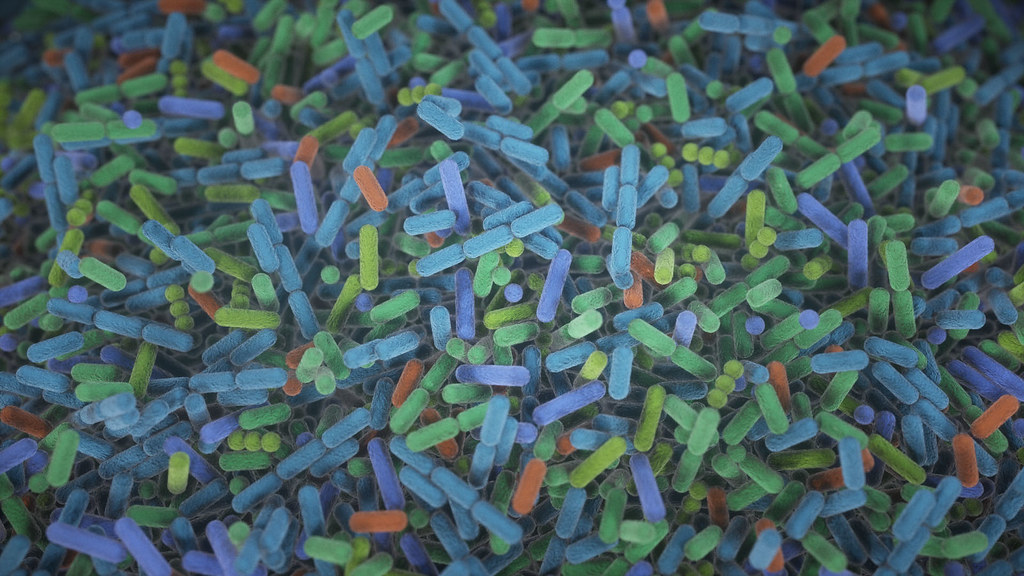
This intricate network is known as the Gut-Associated Lymphoid Tissue (GALT). It includes structures like Peyer's patches in the small intestine, isolated lymphoid follicles, and diffuse immune cells scattered throughout the gut lining. The sheer surface area of your gut is enormous, and it's constantly exposed to food antigens, environmental toxins, and a dense, complex ecosystem of bacteria, fungi, and viruses collectively known as the gut microbiota.
Far from being a passive barrier, the gut lining is a dynamic interface. Your immune cells in the gut are constantly "sampling" what's going on, thanks to specialized cells like M cells that transport antigens from the gut lumen to underlying immune cells. The relationship with your microbiota is particularly fascinating. A healthy, diverse gut microbiome actually *educates* your immune system from an early age, teaching it what's normal and how to respond appropriately.
For instance, certain beneficial gut bacteria produce short-chain fatty acids (SCFAs) like butyrate, which can promote the development of regulatory T cells (Tregs). These Tregs are crucial for maintaining immune tolerance and preventing excessive inflammation, not just in the gut, but throughout the body. Disruptions to this delicate balance, known as dysbiosis, have been linked to a wide range of immune-related disorders, from allergies and inflammatory bowel disease to autoimmune conditions and even neurological issues.
Why this matters:
The gut-immune axis is a profound regulator of overall health. It profoundly influences our susceptibility to allergies, autoimmune diseases, and even our metabolic health. Nurturing a healthy gut microbiome through diet and lifestyle choices is increasingly recognized as a powerful way to support a robust and balanced immune system. It truly is the unsung hero of our internal defense.
Immune System's "Dark Side": When Fighters Become Foes
Not all immune system secrets are about its brilliance; some reveal its capacity for collateral damage. While designed to protect, your immune system can sometimes become overzealous or misdirected, turning its formidable power against you. This is where the concept of chronic inflammation comes in.
Acute inflammation is a vital, healthy response. It's the redness, swelling, heat, and pain you feel when you cut yourself or get an infection – a sign that immune cells are rushing to the rescue. But if this inflammatory response doesn't switch off, or if it's constantly triggered by low-grade stressors, it becomes chronic inflammation, a silent menace that underlies many modern diseases.
Imagine your immune cells are constantly patrolling, expecting an attack that never fully materializes but always feels imminent. This can happen due to persistent low-grade infections, obesity, a poor diet, chronic stress, or exposure to environmental toxins. Over time, this constant low-level "alert" leads to sustained release of inflammatory cytokines and other mediators, causing damage to healthy tissues. Chronic inflammation is strongly linked to heart disease, Type 2 Diabetes, certain cancers, neurodegenerative diseases like Alzheimer's, and even accelerated aging.
Another dangerous aspect is immune exhaustion. In chronic infections (like HIV or Hepatitis C) or advanced cancers, T cells can become "exhausted." They start off fighting hard, but with prolonged stimulation, they lose their ability to proliferate, secrete cytokines, or kill infected cells. They essentially burn out, leaving the body vulnerable. Understanding this exhaustion is a critical area in cancer immunotherapy, where strategies are developed to "reinvigorate" these tired T cells.
Why this matters:
Understanding the "dark side" of immunity highlights the importance of balance. It's not always about "boosting" your immune system, but rather about supporting its proper regulation and preventing it from becoming chronically activated or exhausted. Managing lifestyle factors that contribute to chronic inflammation is crucial for long-term health and disease prevention.
Living with Your Invisible Army: Practical Ways to Support Your Defenders
The final, perhaps most empowering, of the immune system secrets is this: you have a profound influence on your invisible army's readiness. While much of its sophisticated machinery works autonomously, your daily choices directly impact its ability to learn, fight, and remember.
You don't "boost" your immune system like a turbocharger; you optimize it. Think of it more like keeping a complex machine well-oiled and finely tuned. Here are some critical pillars:
- Quality Sleep: Sleep is not passive. During deep sleep, your body releases cytokines that help fight infection. Sleep deprivation directly impairs the function of T cells and reduces the production of antibodies in response to vaccines. Aim for 7-9 hours of quality sleep per night.
- Nutrient-Rich Diet: Your immune cells are hungry for specific nutrients. Vitamin C is a powerful antioxidant and helps various immune cells function. Vitamin D is a hormone that plays a crucial role in immune modulation, often associated with reducing susceptibility to infection and autoimmune conditions. Zinc is vital for the development and function of immune cells. A diverse diet rich in fruits, vegetables, whole grains, and lean proteins provides the building blocks and micronutrients your immune system needs.
- Regular Exercise: Moderate exercise helps circulate immune cells, making them more effective at patrolling the body and detecting pathogens early. It can also reduce inflammation. Just remember, intense, prolonged exercise without adequate recovery can temporarily suppress immunity, so balance is key.
- Stress Management: Chronic stress is a notorious immune suppressor. It releases hormones like cortisol that can dampen immune responses, making you more susceptible to infections and exacerbating inflammatory conditions. Practices like meditation, mindfulness, yoga, or simply spending time in nature can help keep stress hormones in check.
- Hydration: Water is fundamental for every bodily function, including the production of lymph, which carries immune cells and removes waste products.
Why this matters:
You are an active participant in the ongoing war waged by your immune system. By making conscious, healthy lifestyle choices, you're not just passively hoping for the best; you're actively strengthening your body's defenses, enhancing its learning capabilities, and ensuring its formidable memory serves you well for years to come. It’s about empowerment and taking charge of your internal health.
Key Takeaways
- Your immune system comprises two interconnected branches: the rapid, generalized innate system and the highly specific, learning adaptive system.
- The adaptive immune system, primarily B and T cells, can generate billions of unique receptors to target virtually any pathogen, a process called V(D)J recombination.
- Immune memory allows your body to "remember" past invaders, enabling faster and stronger responses upon re-exposure – the basis of vaccination.
- Immune tolerance is the critical ability of your immune system to distinguish between harmful pathogens and your own healthy cells, preventing autoimmune diseases.
- A significant portion of your immune system resides in your gut (GALT), where it constantly interacts with your microbiota, profoundly impacting overall immune function and health.
- While protective, the immune system can cause harm through chronic inflammation or immune exhaustion, linking it to various chronic diseases.
- Lifestyle choices like sleep, nutrition, exercise, and stress management are vital for optimizing your immune system's learning, fighting, and memory capabilities.
Frequently Asked Questions
What is the difference between innate and adaptive immunity?
The innate immune system is your body's rapid, non-specific first line of defense, recognizing general patterns of pathogens and reacting immediately (e.g., macrophages, neutrophils). The adaptive immune system is slower to respond initially but is highly specific, learning to target particular pathogens and remembering them for future encounters (e.g., B cells, T cells).
How do vaccines work to protect us?
Vaccines work by safely introducing a harmless version or component of a pathogen (an antigen) to your body. This triggers a primary immune response, causing your adaptive immune system to "learn" about the pathogen and generate memory cells, all without causing the actual disease. If you later encounter the real pathogen, these memory cells enable a swift and potent secondary response, preventing severe illness.
Can stress really weaken my immune system?
Yes, chronic stress can significantly weaken your immune system. Prolonged stress leads to the release of hormones like cortisol, which can suppress the function of immune cells, reduce antibody production, and increase inflammation. Managing stress through relaxation techniques, exercise, and adequate sleep is crucial for maintaining robust immune health.
It's truly incredible, isn't it? The sheer complexity and intelligence of your immune system are among the most profound immune system secrets still being uncovered. This invisible army, constantly learning and fighting on your behalf, is a sign of the evolutionary marvel that is the human body. Keep exploring these wonders with us!
For more astonishing facts about your body and the world around us, make sure to follow @factfactory57!

Related reading
- 😱 Facts You'll Wish You Never Learned (Body & Brain): A Verified Fact Worth Knowing
- Your Body's Secret Pharmacy: How It Creates Its Own Powerful Painkillers & Mood Boosters
- Your Body's Secret Garden: How Gut Bacteria Control More Than Digestion
- The Unseen Symphony: How Your Nose Recalls Lost Memories and Shapes Your Mood
- The Unseen Symphony of Sound: How Bats 'See' with Their Ears
- The Unseen Power of Nostalgia: Why Our Brains Crave the Past
- The Surprising Science and History of Body Piercing
- The Placebo Effect's Secret Power: How Your Mind Rewrites Your Body's Reality